Can Pregelatinized Starch Be Used in Baby Food?
As a supplier of pregelatinized starch, I’ve encountered numerous inquiries regarding its suitability for baby food. This topic is of great significance, considering the high – standard requirements for baby food in terms of safety, nutrition, and digestibility. In this blog, I’ll delve into the potential use of pregelatinized starch in baby food from scientific, nutritional, and regulatory aspects. Pregelatinized Starch
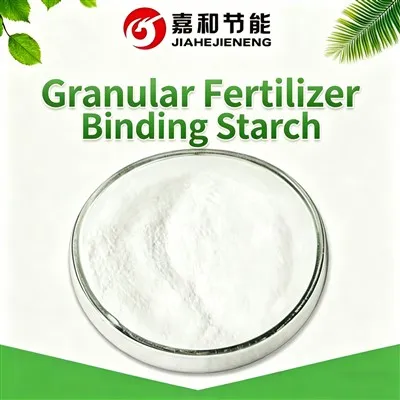
What is Pregelatinized Starch?
Pregelatinized starch is a modified starch that has undergone a pre – gelatinization process. Starch is a carbohydrate composed of amylose and amylopectin, which naturally exists in various plants such as corn, potatoes, and tapioca. In the pre – gelatinization process, native starch is cooked and then dried under strict conditions. This process disrupts the granular structure of the starch, making it soluble in cold water and easier to disperse than native starch.
The unique properties of pregelatinized starch make it a versatile ingredient in the food industry. It can act as a thickener, stabilizer, and binder. For example, it can increase the viscosity of a liquid food product, prevent the separation of ingredients in a suspension, and hold the shape of solid food items.
Nutritional Value of Pregelatinized Starch in Baby Food
Source of Energy
Starch serves as a fundamental source of energy, and this holds true for pregelatinized starch as well. Babies have high energy requirements for their rapid growth and development. Glucose, which is produced when starch is digested, can be used by the body’s cells to generate energy through cellular respiration. Pregelatinized starch, because of its pre – processed nature, can be digested relatively quickly. This allows it to release energy in a timely manner to meet the baby’s energy needs, especially during periods of high activity or growth spurts.
Digestibility
One of the crucial factors in baby food is digestibility. The pre – gelatinization process breaks down the starch granules into smaller, more accessible units. For a baby’s immature digestive system, digesting pregelatinized starch may be easier compared to native starch. The enzymes in the baby’s digestive tract, such as amylase, can more readily act on the pregelatinized starch to break it down into simpler sugars. This reduces the burden on the digestive system and decreases the likelihood of digestive discomfort like bloating and constipation.
Nutritional Compatibility
Pregelatinized starch can be used in combination with other nutrients in baby food. It can be incorporated into fruit purees, vegetable mixtures, or cereal – based baby foods. When combined with proteins, vitamins, and minerals, pregelatinized starch helps to create a balanced and complete meal for the baby. For instance, in a cereal – based baby food, the starch provides energy, while the added milk powder provides proteins, calcium, and other essential nutrients.
Safety Considerations
Hypoallergenicity
Most sources of pregelatinized starch, such as corn, tapioca, and potato, are considered hypoallergenic. This means that they are less likely to cause allergic reactions in babies compared to other common food allergens like milk, eggs, and peanuts. However, it is important to note that although rare, some babies may still have an allergic reaction to a specific type of starch. Therefore, when introducing a new baby food containing pregelatinized starch, it should be done gradually, and the baby should be monitored for any signs of an allergic reaction, such as rashes, vomiting, or diarrhea.
Contamination Risks
As a food ingredient supplier, we are well – aware of the importance of preventing contamination. Pregelatinized starch production involves multiple steps, from raw material sourcing to processing and packaging. Strict quality control measures are in place to ensure that the final product is free from harmful microorganisms, heavy metals, and other contaminants. For example, the raw starch is sourced from reliable farms, and during the processing, the starch is treated with high – temperature sterilization to eliminate bacteria and other pathogens. Additionally, the packaging materials are carefully selected to prevent re – contamination during storage and transportation.
Regulatory Aspects
In many countries and regions, there are strict regulations regarding the use of food additives, including pregelatinized starch, in baby food. These regulations are designed to ensure the safety and quality of baby food. For example, the Codex Alimentarius Commission, an international food standards body, has established guidelines on the use of food additives in infant and young child foods. These guidelines specify the maximum allowable levels of additives, including pregelatinized starch, and the types of products in which they can be used.
In the United States, the Food and Drug Administration (FDA) regulates the use of food ingredients in baby food. Pregelatinized starch is considered a generally recognized as safe (GRAS) ingredient when used in accordance with good manufacturing practices. However, food manufacturers are required to comply with specific labeling requirements, indicating the presence of pregelatinized starch in the product.
In the European Union, the European Food Safety Authority (EFSA) evaluates the safety of food additives, including pregelatinized starch. The use of pregelatinized starch in baby food must comply with the EU’s regulations on food additives and food safety. These regulations ensure that consumers, especially parents of infants, can have confidence in the safety of the baby food products they purchase.
Application Examples in Baby Food
Cereal – Based Baby Foods
Pregelatinized starch is commonly used in cereal – based baby foods such as rice cereal, oatmeal cereal. It helps to thicken the cereal, making it easier for the baby to swallow. The pre – gelatinized structure of the starch allows the cereal to be quickly rehydrated with water, milk, or formula, eliminating the need for additional cooking. Moreover, it improves the texture of the cereal, giving it a smooth and creamy consistency that is more appealing to babies.
Fruit and Vegetable Purees
In fruit and vegetable purees, pregelatinized starch can be used as a stabilizer. It helps to prevent the separation of the puree into liquid and solid phases, maintaining a uniform texture. For example, in a peach puree, the addition of a small amount of pregelatinized starch can keep the puree smooth and prevent the formation of clumps or sedimentation. This ensures that the baby receives a consistent and high – quality product.
Baby Snacks
Some baby snacks, such as crackers and biscuits, also use pregelatinized starch. It can act as a binder, holding the ingredients together and giving the snacks a proper shape. In addition, pregelatinized starch can contribute to the crispness and shelf – life of the snacks. For instance, in a rice – based baby cracker, pregelatinized starch helps to create a light and crispy texture that is easy for the baby to chew.
Conclusion

In conclusion, pregelatinized starch can indeed be used in baby food. It offers several benefits, including a good source of energy, high digestibility, and compatibility with other nutrients. From a safety perspective, when produced under strict quality control measures, it is a reliable ingredient. And it complies with the regulatory requirements in many countries and regions.
Binder As a pregelatinized starch supplier, we are committed to providing high – quality products that meet the strict standards for baby food. Our pregelatinized starch is produced using advanced technology and undergoes rigorous quality testing. If you are a baby food manufacturer or distributor interested in using pregelatinized starch in your products, we would be delighted to discuss your specific needs and requirements. Contact us to start a procurement negotiation and explore how our pregelatinized starch can enhance the quality of your baby food products.
References
- Codex Alimentarius Commission. Codex Stan 72 – 1981: Standard for Infant Formula and Formulas for Special Medical Purposes Intended for Infants.
- U.S. Food and Drug Administration. Food Additives Status List.
- European Food Safety Authority. Scientific opinions and statements on food additives.
Ningjin Jiahe Energy Saving Materials Co., Ltd.
As one of the most professional pregelatinized starch manufacturers and suppliers in China, our products have good reputation in the market. Please feel free to wholesale high quality pregelatinized starch made in China here from our factory. We also accept customized orders.
Address: West 100 meters south of the intersection of Hongtu Road and Sanling Street, Ningjin Economic Development Zone, Dezhou City, Shandong Province(Place of Business: East Side, North End of Industrial 3rd Road, Eastern New Area, Ningjin County, Dezhou City, Shandong Province)
E-mail: jhyangxinyu@gmail.com
WebSite: https://www.jiahestarch.com/
