As a provider of Host Cell Residual DNA Detection Kits, I understand the paramount significance of reliable detection in the biopharmaceutical industry. False negative results can pose serious risks, potentially leading to the release of products with undetected host cell residual DNA, which may have implications for product safety and efficacy. In this blog, I will delve into the causes of false negative results and offer practical strategies to address them. Host Cell Residual DNA Detection Kits

Understanding False Negative Results
False negative results occur when the detection kit fails to identify the presence of host cell residual DNA when it is actually present in the sample. This can be a result of several factors, including sample matrix interference, limitations in the detection technology, and improper handling of the kit.
One of the primary causes of false negative results is sample matrix interference. The sample matrix, which includes proteins, salts, and other contaminants, can interact with the detection reagents and inhibit the amplification or detection of the target DNA. For example, high concentrations of proteins in the sample can bind to the DNA and prevent it from being efficiently amplified by the polymerase chain reaction (PCR) enzymes used in many detection kits. Similarly, salts and other small molecules can interfere with the enzymatic activity of the detection reagents, leading to reduced sensitivity and false negative results.
Another contributing factor to false negative results is the limitations of the detection technology. Some detection kits may have a lower limit of detection (LOD) than required for the specific application, making it difficult to detect low levels of host cell residual DNA. Additionally, the detection technology may be prone to false negatives due to issues such as non – specific binding of the detection probes or primers, or the presence of inhibitors in the sample that are not effectively removed by the sample preparation steps.
Improper handling of the kit can also lead to false negative results. This includes incorrect storage of the kit components, improper sample preparation, and inaccurate pipetting during the detection process. For example, if the kit components are not stored at the recommended temperature, the stability and activity of the reagents may be compromised, resulting in reduced sensitivity and false negatives.
Strategies to Deal with False Negative Results
Optimize Sample Preparation
Proper sample preparation is crucial for minimizing matrix interference and ensuring accurate detection of host cell residual DNA. One approach is to use purification methods to remove contaminants from the sample. For example, DNA extraction kits can be used to isolate the DNA from the sample matrix, reducing the concentration of proteins, salts, and other inhibitors. Additionally, filtration or centrifugation steps can be included in the sample preparation process to remove large particles and debris that may interfere with the detection.
Another important aspect of sample preparation is to optimize the sample dilution. In some cases, diluting the sample can reduce the concentration of inhibitors and improve the detection sensitivity. However, it is important to ensure that the dilution does not reduce the concentration of the target DNA below the LOD of the detection kit. Therefore, it is necessary to perform preliminary experiments to determine the optimal dilution factor for each sample type.
Choose the Right Detection Technology
Selecting a detection technology that is suitable for the specific application is essential for minimizing false negative results. When evaluating different detection kits, it is important to consider the LOD, specificity, and sensitivity of the technology. For example, some kits may use quantitative PCR (qPCR) technology, which is known for its high sensitivity and specificity. qPCR allows for the amplification and detection of small amounts of DNA, making it suitable for detecting low levels of host cell residual DNA.
In addition to qPCR, other detection technologies such as digital PCR (dPCR) and next – generation sequencing (NGS) can also be considered. dPCR offers single – molecule sensitivity and can provide absolute quantification of the target DNA, which can be useful for accurately measuring low levels of host cell residual DNA. NGS, on the other hand, can provide comprehensive information about the composition and sequence of the host cell residual DNA, which can be valuable for understanding the potential risks associated with the presence of residual DNA in the product.
Validate the Detection Kit
Before using the detection kit in a routine setting, it is important to perform a validation study to ensure that the kit is suitable for the intended application and can provide accurate and reliable results. The validation process should include the assessment of the kit’s analytical performance, such as the LOD, linearity, and reproducibility. Additionally, the kit should be evaluated for its ability to detect different types of host cell residual DNA and to work in the presence of potential inhibitors.
During the validation study, it is also important to compare the results obtained with the detection kit to those obtained with a reference method. This can help to confirm the accuracy and reliability of the kit and to identify any potential sources of false negative results. If discrepancies are found between the results of the detection kit and the reference method, further investigation should be conducted to determine the cause of the differences.
Train the Users
Proper training of the users is essential for minimizing false negative results caused by improper handling of the detection kit. The training should cover all aspects of the kit, including the storage, sample preparation, detection procedure, and data analysis. Users should be educated on the importance of following the kit instructions carefully and on the potential consequences of deviating from the protocol.
In addition to theoretical training, hands – on training sessions should be provided to allow users to practice using the kit under the supervision of experienced personnel. This can help to ensure that users are familiar with the operation of the kit and can perform the detection procedure accurately and reproducibly.
Ensuring Long – Term Reliability
To ensure long – term reliability of the host cell residual DNA detection, it is important to establish a quality control program. This program should include regular monitoring of the performance of the detection kits, as well as the use of quality control samples. Quality control samples can be used to verify the accuracy and reproducibility of the detection process and to detect any potential changes in the kit’s performance over time.
It is also advisable to stay updated with the latest research and technological advancements in the field of host cell residual DNA detection. Newer technologies may offer improved sensitivity, specificity, and resistance to matrix interference, which can help to reduce the occurrence of false negative results. By continuously evaluating and adopting new technologies, we can enhance the reliability of our detection methods and better meet the needs of our customers.
Conclusion
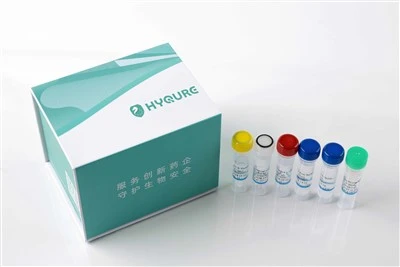
False negative results from Host Cell Residual DNA Detection Kits can have serious implications for the biopharmaceutical industry. As a provider of these kits, it is our responsibility to help our customers understand the causes of false negative results and to provide them with effective strategies to address these issues. By optimizing sample preparation, choosing the right detection technology, validating the kit, and training the users, we can significantly reduce the occurrence of false negative results and ensure the accurate detection of host cell residual DNA.
Safety Detection Kits If you are facing challenges with host cell residual DNA detection or are interested in improving the reliability of your detection process, I encourage you to reach out to us. Our team of experts is ready to assist you in selecting the most suitable detection kit for your needs and providing you with the necessary support and training. Let’s work together to ensure the safety and efficacy of biopharmaceutical products through reliable host cell residual DNA detection.
References
- Mitterauer, M., & Leach, M. (2008). Development and validation of quantitative DNA assays: recommended guidelines by the European Bioanalysis Forum. Bioanalysis, 1(1), 183 – 200.
- Schmittgen, T. D., & Livak, K. J. (2008). Analyzing real – time PCR data by the comparative CT method. Nature Protocols, 3(6), 1101 – 1108.
- Huggett, J. F., Dheda, K., Bustin, S. A., & Zumla, A. I. (2005). Real – time RT – PCR normalisation; strategies and considerations. Genes & Immunity, 6(4), 279 – 284.
HyQure Biotech Co., Ltd.
As a professional host cell residual DNA detection kits enterprise in China and Switzerland, we rely on international compliance standards, leverages excellent quality and technical strength. If you have any enquiry about cooperation, please feel free to email us.
Address: Building 18, Lane 2777 East Jinxiu Road, Pudong New Area, Shanghai 2.Stücki Park Hochbergerstr. 60 I, 4057 Basel Switzerland
E-mail: service@hyqure.com
WebSite: https://www.hyqure.com/
