Can a Single Moving Plate Cold Press be used for pressing bio – materials?
In the realm of industrial processing, the potential applications of machinery are constantly being explored and redefined. As a supplier of Single Moving Plate Cold Press machines, I’ve witnessed a growing interest in using these presses for bio – materials. This blog aims to delve into the feasibility, advantages, and considerations of using a Single Moving Plate Cold Press for pressing bio – materials. Single Moving Plate Cold Press
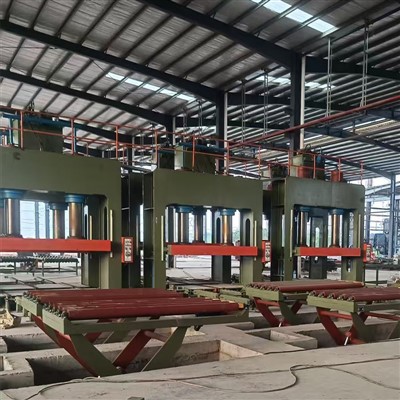
Understanding the Single Moving Plate Cold Press
Before we explore its application to bio – materials, let’s understand what a Single Moving Plate Cold Press is. A Single Moving Plate Cold Press typically consists of a fixed base and a moving plate that can apply pressure to materials placed between them at room temperature or relatively low temperatures. The pressure is generated hydraulically or mechanically, and the movement of the plate is controlled to ensure uniform and precise compression.
This type of press is commonly used in various industries for tasks such as lamination, forming, and compacting different materials. Its simplicity, cost – effectiveness, and ability to provide consistent pressure make it a popular choice for many manufacturing processes.
Properties and Characteristics of Bio – materials
Bio – materials refer to a wide range of substances derived from living organisms or based on biological components. These can include plant fibers, agricultural residues, bio – polymers, and even certain types of micro – organisms. Bio – materials have unique properties that set them apart from traditional industrial materials.
For example, plant – based bio – materials like hemp fibers are lightweight, highly renewable, and have good mechanical strength. They also have environmental benefits, as they absorb carbon dioxide during growth. Bio – polymers, such as polylactic acid (PLA), are biodegradable and can be used as a sustainable alternative to petroleum – based plastics.
However, bio – materials also present challenges. They can be more sensitive to temperature and moisture changes compared to synthetic materials. Additionally, the variability in the quality and composition of bio – materials can affect the outcome of the pressing process.
Feasibility of Using a Single Moving Plate Cold Press for Bio – materials
The good news is that a Single Moving Plate Cold Press can indeed be used for pressing bio – materials in many cases. The key lies in understanding the specific requirements of the bio – material and adjusting the pressing parameters accordingly.
One of the main advantages of using a cold press is that it can avoid the thermal degradation that can occur when bio – materials are exposed to high temperatures. Many bio – polymers start to decompose at relatively low temperatures, and cold pressing helps to preserve their structural integrity and properties.
For example, when pressing plant fibers to form composite materials, a Single Moving Plate Cold Press can be used to apply the necessary pressure to bind the fibers together without the need for high – temperature curing. This is especially useful for natural fibers that may lose their strength or color when heated.
In the case of bio – polymers, cold pressing can be used to shape them into various products such as sheets or molded parts. The press can apply pressure to align the polymer chains and improve the mechanical properties of the final product.
Advantages of Using a Single Moving Plate Cold Press for Bio – materials
- Energy Efficiency: Cold pressing operates at room temperature or low temperatures, which significantly reduces energy consumption compared to hot pressing methods. This not only helps to cut down on operational costs but also makes the process more environmentally friendly.
- Preservation of Material Properties: As mentioned earlier, cold pressing helps to preserve the natural properties of bio – materials, such as their color, strength, and chemical composition. This is crucial for applications where the integrity of the bio – material is essential, such as in the medical or food industries.
- Versatility: A Single Moving Plate Cold Press can be adjusted to apply different levels of pressure, depending on the specific requirements of the bio – material. This allows it to be used for a wide range of bio – material processing tasks, from compacting loose fibers to molding bio – polymer pellets.
- Cost – Effectiveness: The initial investment and operating costs of a Single Moving Plate Cold Press are generally lower compared to more complex hot – pressing equipment. This makes it an attractive option for small and medium – sized businesses looking to enter the bio – material processing market.
Considerations when Using a Single Moving Plate Cold Press for Bio – materials
- Material Preparation: Proper preparation of the bio – material is crucial for successful pressing. This may include cleaning, drying, and sizing the material to ensure uniform distribution and optimal compression. In some cases, additives or binders may need to be added to improve the adhesion and strength of the final product.
- Pressure and Time: Determining the appropriate pressure and pressing time is essential for achieving the desired results. Different bio – materials have different compression requirements, and the pressure needs to be carefully adjusted to avoid under – or over – compression. Too much pressure can damage the bio – material, while too little pressure may result in a weak or poorly formed product.
- Moisture Content: Moisture can have a significant impact on the pressing process and the properties of the final product. Excessive moisture can cause the bio – material to lose its shape or develop mold during storage. Therefore, it is important to control the moisture content of the bio – material before pressing.
- Safety: When working with bio – materials, it is important to consider safety aspects such as dust inhalation and potential allergic reactions. Adequate ventilation and personal protective equipment should be provided to ensure the safety of the operators.
Case Studies
Let’s look at a few real – world examples of using a Single Moving Plate Cold Press for bio – materials.
Case 1: Hemp Fiber Composites
A small – scale manufacturing company used a Single Moving Plate Cold Press to produce hemp fiber composites for automotive interior applications. They first prepared the hemp fibers by cleaning and sizing them. Then, they mixed the fibers with a bio – based resin and placed the mixture between the two plates of the press. By applying a specific pressure for a set time, they were able to produce strong and lightweight composite panels that met the requirements of the automotive industry.
Case 2: Bio – polymer Molding
A research institution used a Single Moving Plate Cold Press to mold polylactic acid (PLA) pellets into test specimens. They carefully controlled the pressure and pressing time to ensure that the PLA pellets were fully compressed and formed into the desired shape. The test specimens were then used for mechanical property testing, which showed that the cold – pressed PLA had good strength and stiffness.
Conclusion
In conclusion, a Single Moving Plate Cold Press can be a valuable tool for pressing bio – materials. Its energy efficiency, ability to preserve material properties, versatility, and cost – effectiveness make it a suitable option for a wide range of bio – material processing applications. However, it is important to consider the specific requirements of the bio – material and adjust the pressing parameters accordingly to achieve the best results.
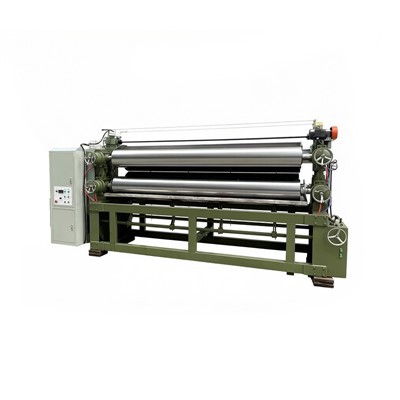
Gluing Machine If you are interested in exploring the potential of using a Single Moving Plate Cold Press for your bio – material processing needs, I invite you to get in touch with me. We can discuss your specific requirements, provide more detailed information about our machines, and explore how our technology can help you achieve your production goals.
References
- Smith, J. (2018). Bio – materials: Properties and Applications. New York: Academic Press.
- Brown, A. (2019). Cold Pressing Techniques in Industrial Processing. London: Wiley.
- Green, C. (2020). Advancements in Bio – polymer Processing. Journal of Bio – materials Science, 35(2), 123 – 135.
Jiashan Changle Machinery Manufacturing Co., Ltd.
We’re well-known as one of the leading single moving plate cold press manufacturers and suppliers in China, also support customized service. Please feel free to buy advanced single moving plate cold press for sale here from our factory. Quality products and punctual delivery are available.
Address: Building 12, Zone A, Wanyang Innovation City, No. 23 Yucao South Road, Ganyao Town, Jiashan County, Jiaxing City, Zhejiang Province
E-mail: Changle84615620@163.com
WebSite: https://www.changlejx.com/
