As a supplier of flat lapping compound, I’ve been asked countless times about its effectiveness on rough surfaces. This question is not only relevant to professionals in the manufacturing and precision engineering fields but also to hobbyists looking to achieve a high – quality finish on their workpieces. In this blog, I’ll delve into the science behind flat lapping compound and its performance on rough surfaces. Flat Lapping Compound
Understanding Flat Lapping Compound
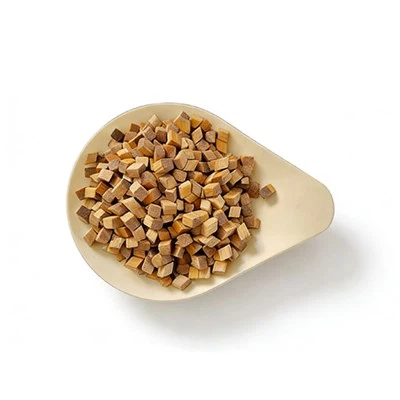
Flat lapping compound is a mixture of abrasive particles suspended in a carrier medium. The abrasive particles can be made from various materials such as silicon carbide, aluminum oxide, diamond, and cubic boron nitride. Each type of abrasive has its own unique properties, including hardness, sharpness, and wear resistance.
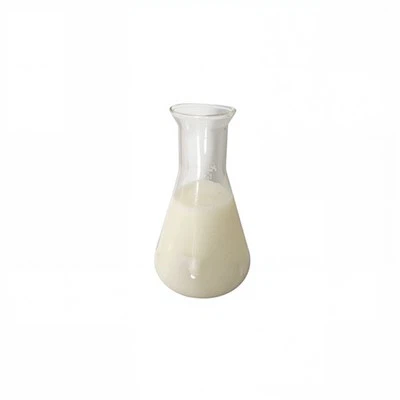
The carrier medium, on the other hand, serves several purposes. It helps to keep the abrasive particles evenly distributed, provides lubrication during the lapping process, and can also influence the rate of material removal. Common carrier media include oils, greases, and water – based solutions.
How Lapping Works
Lapping is a process that involves rubbing two surfaces together with an abrasive in between. When it comes to rough surfaces, the lapping process can be divided into two main stages: coarse lapping and fine lapping.
In the coarse lapping stage, a lapping compound with relatively large abrasive particles is used. These large particles are capable of removing a significant amount of material quickly, which is essential for reducing the roughness of the surface. The abrasive particles act like tiny cutting tools, breaking down the high points on the rough surface and gradually leveling it out.
As the surface becomes smoother, the fine lapping stage begins. In this stage, a lapping compound with smaller abrasive particles is employed. These smaller particles can further refine the surface, removing any remaining scratches and achieving a high – gloss finish.
Effectiveness on Rough Surfaces
The effectiveness of flat lapping compound on rough surfaces depends on several factors.
Abrasive Type
The choice of abrasive is crucial. For extremely rough surfaces, silicon carbide or aluminum oxide abrasives are often a good choice. Silicon carbide is very hard and sharp, making it ideal for rapid material removal. Aluminum oxide, on the other hand, is more durable and can provide a consistent cutting action.
Diamond abrasives are the hardest and most effective for lapping very hard materials. They can quickly remove material from rough surfaces and are capable of achieving extremely fine finishes. Cubic boron nitride is also a high – performance abrasive, especially suitable for lapping hardened steels.
Abrasive Particle Size
The size of the abrasive particles in the lapping compound directly affects the material removal rate and the final surface finish. Larger particles are used for coarse lapping to remove large amounts of material, while smaller particles are used for fine lapping to achieve a smooth finish.
For example, if you start with a surface that has a roughness of Ra 10 – 20 micrometers, you might begin with a lapping compound containing 40 – 60 grit abrasive particles. As the surface roughness decreases, you can switch to a finer grit compound, such as 220 – 400 grit, and then gradually move to even finer grits for the final finish.
Lapping Pressure and Speed
The pressure applied during lapping and the speed at which the lapping process is carried out also play important roles. Higher pressure generally leads to a faster material removal rate, but it can also cause more scratches on the surface. Therefore, it’s important to find the right balance between pressure and speed.
In general, a moderate pressure and a relatively slow speed are recommended for lapping rough surfaces. This allows the abrasive particles to work effectively without causing excessive damage to the surface.
Carrier Medium
The carrier medium can affect the performance of the lapping compound. Oils are often used for lapping because they provide good lubrication and can help to prevent the abrasive particles from clogging. Greases are more viscous and can hold the abrasive particles in place better, which is useful for lapping large – area surfaces. Water – based solutions are environmentally friendly and can be easily cleaned, but they may not provide as much lubrication as oils or greases.
Case Studies
To illustrate the effectiveness of flat lapping compound on rough surfaces, let’s look at a few case studies.
Case Study 1: Machined Metal Parts
A manufacturing company was working on a batch of machined metal parts with a rough surface finish. They used a silicon carbide – based flat lapping compound for the coarse lapping stage. After a few passes, the surface roughness was significantly reduced. Then, they switched to a finer – grit aluminum oxide lapping compound for the fine lapping stage. The final surface finish was smooth and met the required specifications.
Case Study 2: Ceramic Components
A ceramics manufacturer had a problem with the rough surfaces of their ceramic components. They used a diamond – based flat lapping compound. The diamond abrasives were able to quickly remove the rough edges and achieve a high – quality finish. The use of a water – based carrier medium helped to keep the process clean and environmentally friendly.
Advantages of Using Flat Lapping Compound on Rough Surfaces
There are several advantages to using flat lapping compound on rough surfaces.
Improved Surface Finish
The most obvious advantage is the improvement in surface finish. By using the appropriate lapping compound, rough surfaces can be transformed into smooth, mirror – like surfaces. This is essential for many applications, such as precision engineering, optical components, and semiconductor manufacturing.
Dimensional Accuracy
Lapping can also improve the dimensional accuracy of the workpiece. By removing material evenly from the surface, the shape and size of the workpiece can be more precisely controlled. This is important for parts that need to fit together precisely, such as gears and bearings.
Cost – Effectiveness
Compared to other surface finishing methods, such as grinding or polishing, lapping can be a more cost – effective solution. The equipment required for lapping is relatively simple and inexpensive, and the lapping compound itself is also affordable.
Conclusion
In conclusion, flat lapping compound works very well on rough surfaces. By choosing the right abrasive type, particle size, carrier medium, and lapping parameters, it is possible to achieve a high – quality finish on a variety of materials. Whether you are a professional manufacturer or a hobbyist, flat lapping compound can be a valuable tool in your surface finishing toolkit.
Grinding Polishing Machine If you are interested in purchasing flat lapping compound for your rough surface finishing needs, I encourage you to contact me. I can provide you with detailed information about our products, including the different types of abrasives, particle sizes, and carrier media available. We can also discuss your specific requirements and help you choose the most suitable lapping compound for your application.
References
- "Modern Grinding Technology" by Peter K. Wright and David A. Batchelor
- "Manufacturing Engineering and Technology" by Serope Kalpakjian and Steven R. Schmid
- "Precision Engineering: Theory and Practice" by Geoffrey Boothroyd and Winston A. Knight
Dongguan Xindingsheng Intelligent Grinding Technology Co., Ltd.
Dongguan Xindingsheng Intelligent Grinding Technology Co., Ltd. is one of the most reliable flat lapping compound manufacturers and suppliers in China, also supports customized service. Please feel free to wholesale bulk high quality flat lapping compound in stock here from our factory. Contact us for pricelist.
Address: Room 101, Building 1, No. 73 Dahuangmei Road, Dalingshan Town, Dongguan City, Guangdong Province, China
E-mail: cndskj@126.com
WebSite: https://www.xdsfinishing.com/
