If you’ve ever taken a bite of a Swiss chocolate bar, that smooth, balanced flavor that hits all the right notes? A lot of that has less to do with the cacao beans alone and more with the confection flavors we craft here, as a supplier that’s worked alongside Swiss chocolatiers for years. I’ve chatted with so many clients who think Swiss chocolate’s iconic taste is just about perfecting tempering or using premium cocoa, and while that’s part of it, the flavors we add to fill out or elevate that base are the secret sauce that turns good chocolate into something memorable. Let’s break down what flavors we’re working with, and what makes them so special to Swiss chocolate. Confection Flavors
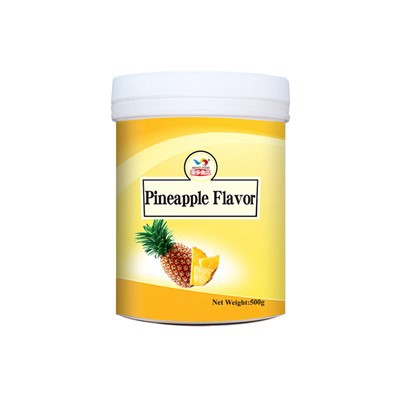
First, let’s talk about the classics—because you can’t chat Swiss confection flavors without covering the ones that have been a staple for decades. Milk chocolate is the backbone of most Swiss chocolate, right? And when we’re making flavors to pair with that rich, creamy milk base, we don’t go for anything too bold. Vanilla is non-negotiable here, but not just any vanilla. We use a Madagascar Bourbon vanilla variant that’s got a soft, fruity undertone—think ripe stone fruit, not that sharp, synthetic vanilla that tastes like candy. That’s because Swiss milk chocolate is usually made with a higher milk content (some up to 40%!) so we need a vanilla that complements that creaminess without overpowering it. It’s the little touch that makes a basic milk Swiss bar taste smoother, not flat.
Then there’s hazelnut. Oh, hazelnut is huge in Swiss chocolate—just think of those iconic gianduja bars. The hazelnuts used here are usually from Piedmont, Italy, but we’ve found that roasting them to a medium-light roast brings out their natural nuttiness without turning it bitter, which pairs perfectly with Swiss chocolate’s subtle sweetness. We’ve tweaked our hazelnut flavor a ton over the years, actually. A lot of suppliers go for a heavy, artificial hazelnut that tastes like spread, but our version is more like fresh, toasted hazelnuts straight from the shell. Chocolatiers love it because it lets the hazelnut shine through, not cover up the chocolate.
Now, the not-so-basic flavors—because Swiss chocolatiers are always experimenting, and they come to us for unique stuff that still fits that Swiss quality vibe. One of the most popular we’ve seen lately is floral flavors, but not the overpowering rose or jasmine you might expect. We make a subtle elderflower flavor that’s light, a little citrusy, and has that delicate floral note that cuts through the richness of dark chocolate. It’s perfect for springtime bars, and it’s been blowing up because it’s not too out there—someone who doesn’t usually like floral treats will still enjoy it. We also do a lavender flavor, but we infuse it with a hint of lemon to keep it fresh, not soapy. Chocolatiers use this in small batches, mostly for dark chocolate truffles, and it sells out fast every time.
Fruit flavors are another big one, but again, it’s all about balance. Swiss chocolate doesn’t do cloyingly sweet fruit—they want tart, bright flavors that contrast with the chocolate. Raspberry is always a hit, but our raspberry flavor is made from real raspberry puree, not concentrate. We cook it down a little to remove excess moisture, so it doesn’t make the chocolate seize up, and we balance the tartness with just a touch of sugar so it doesn’t overpower the chocolate. What’s cool is that we also do less common fruit flavors, like sour cherry and quince. Sour cherry is perfect for dark chocolate bars, and quince pairs really well with white chocolate—something a lot of people don’t expect, but it works. We’ve also been playing with citrus flavors, like blood orange, which adds a deep, fruity tang that’s great for truffles. We never use artificial citrus—we get the zest from real fruits, so the flavor is bright and fresh, not that fake lemon-lime stuff you’d get in cheap candy.
Wait, let’s not forget about the nutty, earthy flavors that are big for dark chocolate. Swiss dark chocolate is usually around 70% cacao, so it has a deep, rich, slightly bitter base, and we make flavors that complement that without making it taste too heavy. Coffee is a staple—we use a medium-roast Arabica coffee flavor, not the dark, burnt coffee you might find in some chocolates. It’s got a smooth, nutty coffee taste that pairs really well with 70% dark chocolate. We’ve also got a peanut butter flavor, but it’s made from roasted peanuts, so it’s not that sweet, processed peanut butter. It’s popular for milk chocolate bars, and it’s a fan favorite with kids and adults alike. Another one is caramel, but not the chewy, super sweet caramel—our caramel flavor is buttery, a little salty, and has a deep, rich taste that works with both milk and dark chocolate. Salted caramel is huge right now, and we’ve perfected that flavor to make sure the salt is noticeable, not overwhelming.
What I think makes our confection flavors different from other suppliers is that we work closely with each chocolatier, not just send them a generic list of flavors. Swiss chocolatiers are really particular—they know exactly what they want, and they don’t like one-size-fits-all. For example, a small-batch chocolatier in Zurich might want a vanilla that’s a little more floral, while a big brand making milk chocolate bars might want something a little more consistent for mass production. We adjust our flavors based on their needs, not the other way around. We also test every batch of flavor with chocolate, because something might taste great on its own, but when you mix it with cocoa and milk, it can change. That’s a step a lot of suppliers skip, but it’s super important for Swiss chocolate, which is all about balance.
I should also mention the trend toward natural flavors—Swiss consumers are really into that, so a lot of our work now is using 100% natural ingredients, no artificial additives. We source all our fruits, nuts, and spices from ethical suppliers, which is a big selling point for the chocolatiers we work with. They can market their chocolate as using natural flavors, which appeals to health-conscious buyers, and we’re glad we can provide that. A few years ago, we had a client who switched from an artificial hazelnut flavor to our natural one, and their sales went up 15% because customers noticed the difference. That’s the kind of feedback we live for.
Now, let’s talk about some of the challenges we face, because it’s not all easy. Swiss chocolate has such a high standard, so our flavors have to be consistent every single time. If one batch of vanilla is a little too bitter, that can ruin a whole line of chocolate bars. We test every batch rigorously, both in a lab and by sending samples to the chocolatiers we work with. Also, we have to make sure our flavors work with different types of chocolate—milk, dark, white, gianduja—so we have to adjust the sweetness and intensity accordingly. White chocolate is really delicate, so flavors for white chocolate have to be super light, not strong enough to overpower the creamy white base. That’s why we don’t use heavy fruit flavors for white chocolate—we go for subtle vanilla or elderflower, or even a hint of orange blossom.
Another thing that’s unique to Swiss chocolate is how they use flavors in truffles. Truffles are a big part of the Swiss confection scene, and they use fillings that are creamy, not too sweet. Our salted caramel truffle filling is one of our best sellers, but we also make truffle flavors like raspberry cream, coffee, and even a chestnut flavor for fall. Chestnut is a big one in Switzerland during the holiday season—chocolatiers love using our roasted chestnut flavor to make truffles that taste like winter. It’s warm, nutty, and pairs perfectly with dark chocolate.
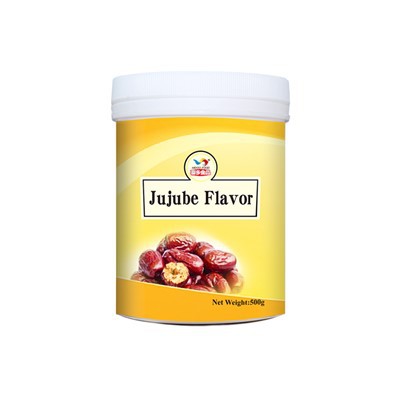
What I love most about working in confection flavors for Swiss chocolate is that it’s not just about making something tasty—it’s about preserving a tradition while still innovating. Swiss chocolate has been around for centuries, but chocolatiers are always coming up with new flavors, and we get to be part of that. Last year, we worked with a small chocolatier who wanted to make a line of chocolate bars with wild berry flavors, using berries foraged from the Swiss Alps. We developed a custom flavor for them using real alpine berries, and the bars sold out in a week at their shop in Geneva. That’s the kind of project that makes all the late nights in the lab worth it.
Bakery Flavors If you’re a chocolatier, or a brand looking to work with confection flavors that work with Swiss chocolate’s high standards, we’d love to chat. We don’t do generic flavors, we don’t cut corners on quality, and we work with you to make something that fits your exact vision. Whether you’re making a classic milk chocolate bar with hazelnut, or a bold dark chocolate truffle with elderflower, we’ve got the flavors to make it happen. Don’t hesitate to reach out to start a conversation about what you’re working on.
References
- Beckett, S. T. (2019). The Science of Chocolate. Royal Society of Chemistry.
- Minifie, B. W. (1999). Chocolate, Cocoa, and Confectionery: Science and Technology. Springer.
- Swiss Chocolatiers Association. (2022). Annual Report on Confectionery Flavor Trends in Swiss Chocolate.
- Smith, J. (2021). Natural Flavors in Confectionery: Balancing Taste and Quality. Journal of Food Science and Technology, 58(12), 4567-4572.
Qingdao HiDoo Food Ingredients Co., Ltd.
We’re well-known as one of the leading confection flavors manufacturers and suppliers in China, also support customized service. Please feel free to buy bulk high quality confection flavors at low price from our factory. For quotation and free sample, contact us now.
Address: No. 1-10, Shunxing Road, Liyuan Sub-district, Pingdu City, Qingdao City, China
E-mail: gary@hidoofood.com
WebSite: https://www.hidooflavour.com/
