Hey there! I’m a supplier of gate valves, and today I wanna talk about the impact of erosion on a gate valve. As someone who’s been in the gate valve business for a while, I’ve seen firsthand how erosion can mess things up. Gate Valve
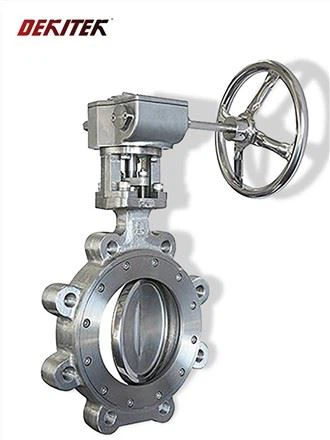
First off, let’s understand what erosion is. Erosion in the context of gate valves is the wearing away of the valve’s components due to the flow of fluid. This fluid can be anything from water to chemicals or even abrasive slurries. When the fluid moves through the valve at high speeds or contains particles, it can cause a lot of damage.
One of the most obvious impacts of erosion on a gate valve is on the sealing surfaces. The gate valve relies on a tight seal between the gate and the seat to prevent leakage. But when erosion occurs, it can wear down these sealing surfaces. The gate might not fit snugly against the seat anymore, and that leads to leaks. Leaks can be a huge problem, especially in industries where the fluid being controlled is dangerous or expensive. For example, in an oil refinery, a leaky gate valve can result in a significant loss of valuable oil and pose a safety hazard.
Erosion also affects the gate itself. The gate is the part that moves up and down to control the flow of fluid. If it gets eroded, its shape can change. This can make it difficult for the gate to move smoothly. You might start to notice that the valve is harder to operate. It could get stuck in the open or closed position, which can disrupt the entire system. In a water treatment plant, if a gate valve gets stuck, it can throw off the flow of water and affect the treatment process.
Another area where erosion takes a toll is on the valve body. The valve body is the outer casing that holds all the internal components. When the fluid with abrasive particles flows through, it can gradually wear away the inner walls of the valve body. This weakens the structure of the valve. Over time, the valve body might develop cracks or holes. A cracked valve body is a serious issue because it can lead to a complete failure of the valve. In a chemical processing plant, a failing valve can cause the release of hazardous chemicals, which is extremely dangerous for the workers and the environment.
Now, let’s talk about how erosion affects the performance of the gate valve. Erosion can reduce the flow capacity of the valve. As the internal components get worn, the passage for the fluid becomes narrower. This means that the valve can’t handle as much fluid as it was designed to. In a power plant, if the gate valves that control the flow of steam have reduced flow capacity, it can affect the efficiency of the power generation process.
Erosion can also increase the pressure drop across the valve. Pressure drop is the difference in pressure between the inlet and the outlet of the valve. When the valve is eroded, the fluid has to work harder to pass through, which causes a higher pressure drop. A high pressure drop can lead to increased energy consumption. In an industrial setting, this means higher operational costs.
So, what can we do to deal with erosion in gate valves? Well, one option is to choose the right materials for the valve. Some materials are more resistant to erosion than others. For example, stainless steel is a popular choice because it has good corrosion and erosion resistance. Another thing is to install filters or strainers upstream of the valve. These can help remove abrasive particles from the fluid before it reaches the valve, reducing the chances of erosion.
Regular maintenance is also crucial. Inspecting the valve regularly can help detect early signs of erosion. If erosion is caught early, you can take steps to repair or replace the affected components before the problem gets worse.

As a gate valve supplier, I know how important it is to provide high – quality valves that can withstand erosion. We work hard to source the best materials and use advanced manufacturing techniques to ensure our valves are durable. If you’re in the market for gate valves, whether it’s for a small project or a large industrial application, I’d love to talk to you. We can discuss your specific needs and find the right valve for you. Don’t hesitate to reach out and have a chat about your requirements.
Ball Valve References:
- "Valve Handbook: Principles and Applications"
- "Fluid Mechanics and Hydraulic Machines"
Wenzhou Deki Valve Co., Ltd
As one of the leading gate valve enterprises in China, we warmly welcome you to buy API approved gate valve from our factory. All products products used in refinery, power plant, petrol chemical and oil&gas industry are with high quality and competitive price.
Address: Sanqiao Industrial Zone, Oubei Town, Yongjia County, Zhejiang Province
E-mail: sales@dekivalves.com
WebSite: https://www.deki-valve.com/
